All Categories
Featured


Top Benefits of Senior Accident Insurance
Table of Contents
Hybrid policies can protect both income and estate. Consist of real-life care situations: dementia, movement loss, single-spouse requirement. In-home vs. facility, household involvement, care quality. Medicare is essentialbut it's insufficient on its own. The best time to prepare for long-term care is when you don't require it. Because the peace of mind you'll have later on begins with the decisions you make today.
acts as the Chief Financial Investment Officer at Langan Financial Group. In this role, he manages financial investment portfolios, functions as a fiduciary for group retirement plans, and seeks advice from clients concerning their financial objectives, risk tolerance, and possession allocation. With a concentrate on ERISA Law, Alex finished cum laude from Widener Commonwealth Law School.
Alex is also enthusiastic about returning to the community, and has taken part in The Foundation of Enhancing Neighborhoods' Emerging Benefactor Program, volunteers at his church, and acts as a board member of Samara: The Center of Individual & Household Growth. Outside of work and volunteering, Alex enjoys his time with his better half Sarah, and their 3 kids, Rory, Patrick, and Ava.
Variable and Fixed Annuities for Seniors
Your company. Your household's future. Each deserves thoughtful planning that starts with what matters to you. Langan Financial Group supplies monetary preparation and financial investment management for people, households, and company owner. With offices in Camp Hill and York, Pennsylvania, we serve customers throughout Central Pennsylvania. We help you overcome concerns about retirement earnings, financial investment choices, Social Security, and how taxes might affect your monetary plan.
From there, we assist you evaluate your choices and establish a plan that can progress as your life modifications. We likewise help companies and companies assess workplace retirement strategies and understand their responsibilities as plan sponsors.
Retirement Planning Santa Ana CAThe opinions expressed and material provided are for basic information, and should not be considered a solicitation for the purchase or sale of any security.
Most Americans wrongly believe Medicare will cover their long-term care needs in retirement. This vital misconception can lead to devastating monetary consequences when care is eventually needed. Medicare offers limited protection for long-lasting care services: Up to 100 days optimal Needs a qualifying 3-day medical facility stay very first Days 21-100 require a day-to-day copayment ($200+ per day in 2025) Should reveal continuous improvement to keep coverage Restricted protection Requires medical professional accreditation of medical need Should be competent nursing care (not custodial) Care need to be part-time or periodic just the support with activities of everyday living that Medicare does not cover:.
Variable and Fixed Annuities Explained
The relationship in between long-lasting care (LTC) and healthcare covered by TRICARE, Medicare, or company health care can be complicated. Examples of medical insurance include your health insurance at work, TRICARE or TRICARE for Life, and Medicare. These cover medical bills related to the treatment of an illness or injury.
After treatment, recovery or recovery is not covered. It's about the requirement for help when you can't perform regular activities of life and you need assist to operate. LTC is maintenance, not treatment. At this moment, doctor have actually done all they can, and all that's left is recovery or living with an impairment that makes you need everyday help.
LTC pays when you need aid with eating, toileting, dressing, bathing, moving, continence, or cognitive impairments. Many individuals consider LTC as assisted living home care. A better description would be stay-at-home care. More individuals use LTC for at home care or helped living than for nursing homes. If you are VA-eligible and discover you need LTC, check with your VA representative for VA LTC alternatives.
Addressing the Gaps in Traditional Coverage
Many Americans mistakenly believe Medicare will cover their long-term care needs in retirement. This critical misunderstanding can lead to devastating monetary repercussions when care is eventually needed.
While it may be difficult to believe of now, it's most likely that you'll need some kind of healthcare or day-to-day living assistance as you age. People typically think that Medicare covers long-lasting care, either in the house or in a nursing facility, however regrettably, that's not the case. Medicare does not cover assisted living, competent nursing, or long-lasting care.
If you're not able to leave your home for medical or healing care, Medicare will pay for home health care services. It can consist of a range of benefits for individuals who require constant medical attention and/or custodial care with everyday activities like eating, bathing, or movement in centers from assisted living to full-time, in- home custodial care to a private space in a nursing center.
The expense of a long-lasting care policy is based upon age, desired advantage amount and any additional benefits you choose to include. That's why it's crucial to determine your long-lasting care needs and level of security before it ends up being an emergency. Thinking about long-lasting care is a foundation in any financial plan, and there are many options to select from based on your monetary scenario and needs.
Retirement Planning Santa Ana CATop Benefits of Senior Accident Insurance
It's much better to be overprepared and covered, than underprepared and economically devastated.
Medicare does not cover your long-term nursing care or 24/7 in-home services, nor does it pay for your custodial care that includes your everyday activities such as eating, bathing, and dressing.
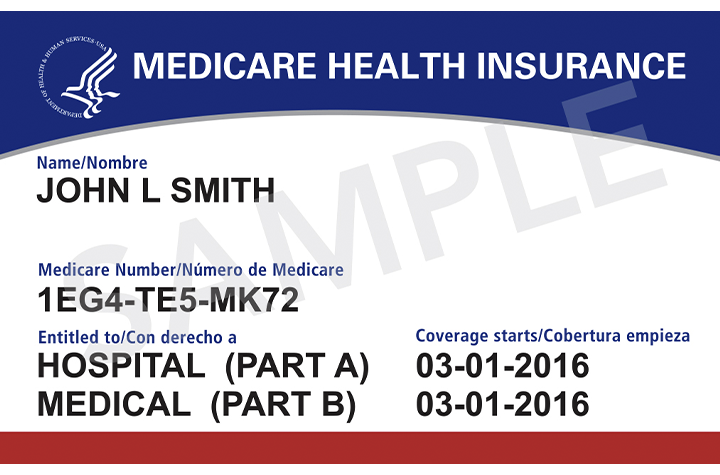
Why do numerous financial consultants inform customers they can self-insure for long-lasting care but advise them to buy extra protection to Medicare? Numerous individuals genuinely want the protection of insurance coverage, yet their financial advisor frequently suggests that self-insurance is more effective.
They consistently purchase Part D drug protection, either paired with Medicare Benefit or a standard Medicare supplement. Financial advisors seldom recommend against purchasing supplemental Medicare protection.
Navigating Future Medical Rates in 2026
The average claim payment is substantially less than $4,000 per year, according to Telos Actuarial. For 2026, there is a $2,100 cap on drug protection under Part D. If you don't think me that the claim payments are little, look at the Description of Benefits that shows the claim payments from your Medicare Supplement or Part D drug strategy.

Latest Posts

Practical Preparation for LTC Care in 2026

How to Plan for 2026 LTC Costs

Navigating Future Medical Rates in 2026